Abul Fazal Enclave · Okhla, New Delhi
Knee pain physiotherapy
Assessment for knee stiffness, osteoarthritis-related symptoms and difficulty walking or using stairs, with care linked to your everyday goals.
Ask about an assessmentIndividual assessment · Fees on enquiry · Hindi, English & Urdu
Sources checked 18 October 2026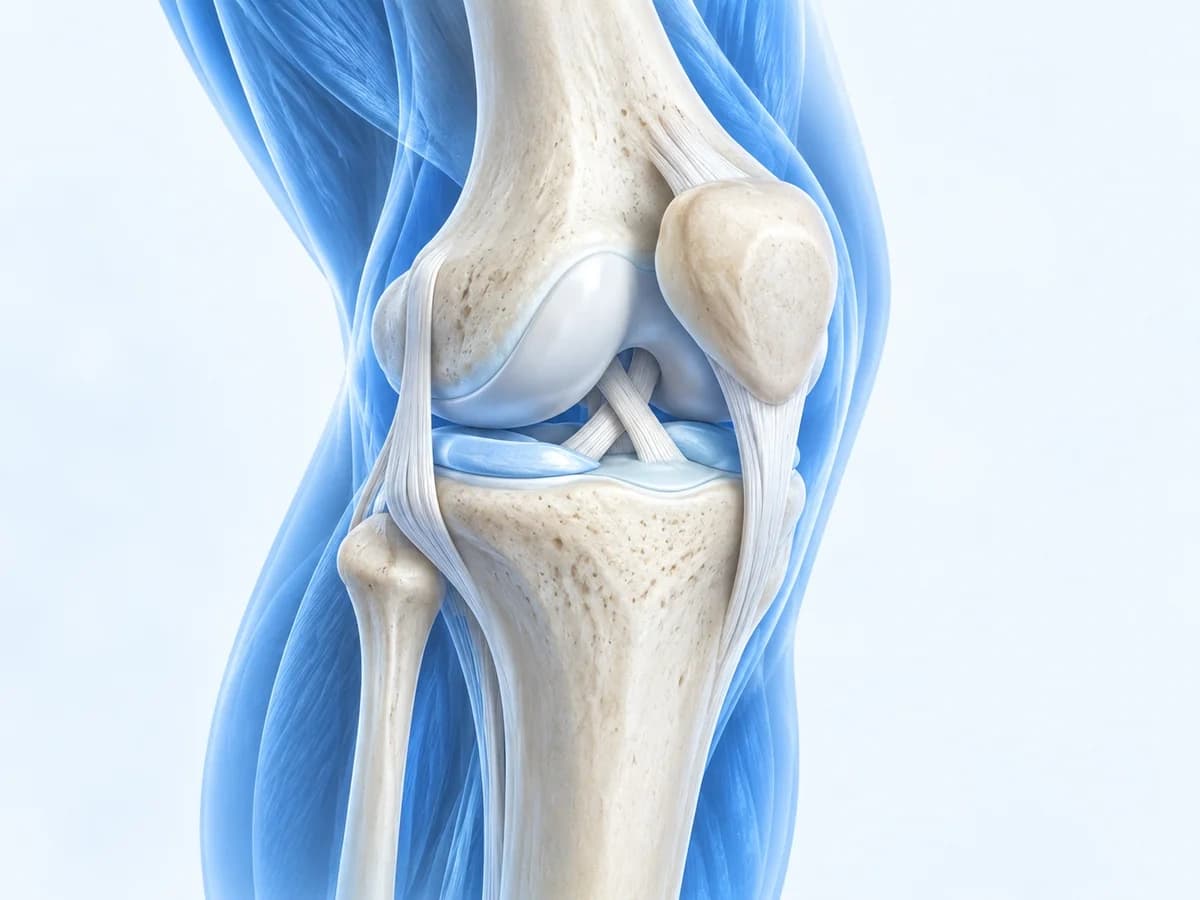
Why might the knee hurt?
Knee pain can follow a strain, twist or overuse, or be related to conditions such as osteoarthritis. Swelling, locking, instability and the way pain started are useful details for assessment. These patterns are not enough to diagnose yourself.
Sources
How we approach your care
Discuss symptoms, past injuries, relevant reports and the tasks you find difficult.
Develop a plan around joint movement, strength and functional rehabilitation as indicated by assessment.
Review walking, stairs and other chosen goals, with home exercise guidance when appropriate.
Sessions, progress and realistic expectations
The clinic commonly sees knee pain and stiffness, including osteoarthritis-related difficulties. Treatment goals are individual: walking, stairs, household activities or prayer movements. Physiotherapy is not a promise to regrow cartilage or remove the need for every future medical treatment.
Typical physiotherapy appointments last around 60 minutes, depending on individual needs. Ask about the proposed treatment time and review schedule for this service. Your total course is decided after assessment.
More about recovery and follow-upWhen to seek medical help
Get urgent medical advice if you cannot bear weight, the knee is severely swollen or misshapen, or it locks or gives way. A hot or red knee with fever or shivering also needs urgent evaluation.
This is general information, not an individual diagnosis or a complete list of warning signs. Emergency symptoms need medical care, not a routine appointment.
Sources
Your questions, answered
Can physiotherapy help with knee osteoarthritis?
Yes. Tailored therapeutic exercise is a core part of osteoarthritis care. Strengthening and general fitness activities can improve pain and function when continued consistently. The exercise type and difficulty should fit your health, symptoms and capabilities; this does not mean restoring lost cartilage.
Is knee clicking always a problem?
Painless clicking can be normal. Painful clicking, locking, swelling or giving way should be assessed; urgent advice may be needed for these symptoms.
Sources
Can I work towards stairs or namaz movements?
Yes. These are confirmed daily goals discussed at the clinic. Your physical capabilities and symptoms guide what is appropriate.
Does knee pain always mean surgery?
No. Treatment depends on the cause. A doctor may recommend physiotherapy, other treatment or specialist assessment when needed.
Sources
Can I start the same exercises as someone with arthritis?
Not automatically. Tell the physiotherapist about your condition, symptoms and any restrictions so that exercises match your needs.
What if my knee feels sore when I begin arthritis exercises?
Some initial discomfort can occur when starting therapeutic exercise for osteoarthritis. Discuss how to adjust the programme and what response is acceptable. A suddenly hot, swollen knee, inability to bear weight or fever needs medical assessment and should not be treated as ordinary exercise soreness.
Is physiotherapy useful for joint pain and arthritis?
For osteoarthritis, tailored strengthening and general fitness exercise can reduce pain and improve function over time. Some discomfort can occur when starting; agree how to adjust the programme and report new or worsening symptoms. The clinic assesses joint pain and movement difficulties individually. Physiotherapy does not cure osteoarthritis or promise to regrow cartilage.
Sources and how we use them
Sources checked 18 October 2026. General health information is checked against the linked clinical guidance and patient resources. This is an editorial source check, not an independent clinician review; the check date is not the publication date of each source.
Clinic facts come from the questionnaire supplied by Dr. Salima Rahat on 16 October 2026 and follow-up replies received on 18–19 October. External sources support general information and do not verify clinic credentials, endorse this clinic or replace personal medical advice. Where evidence is limited, we say so.