Abul Fazal Enclave · Okhla, New Delhi
Back pain & sciatica physiotherapy
Assessment for back pain, sciatica symptoms and movement difficulties, with a plan built around sitting, walking, lifting and your daily routine.
Ask about an assessmentIndividual assessment · Fees on enquiry · Hindi, English & Urdu
Sources checked 18 October 2026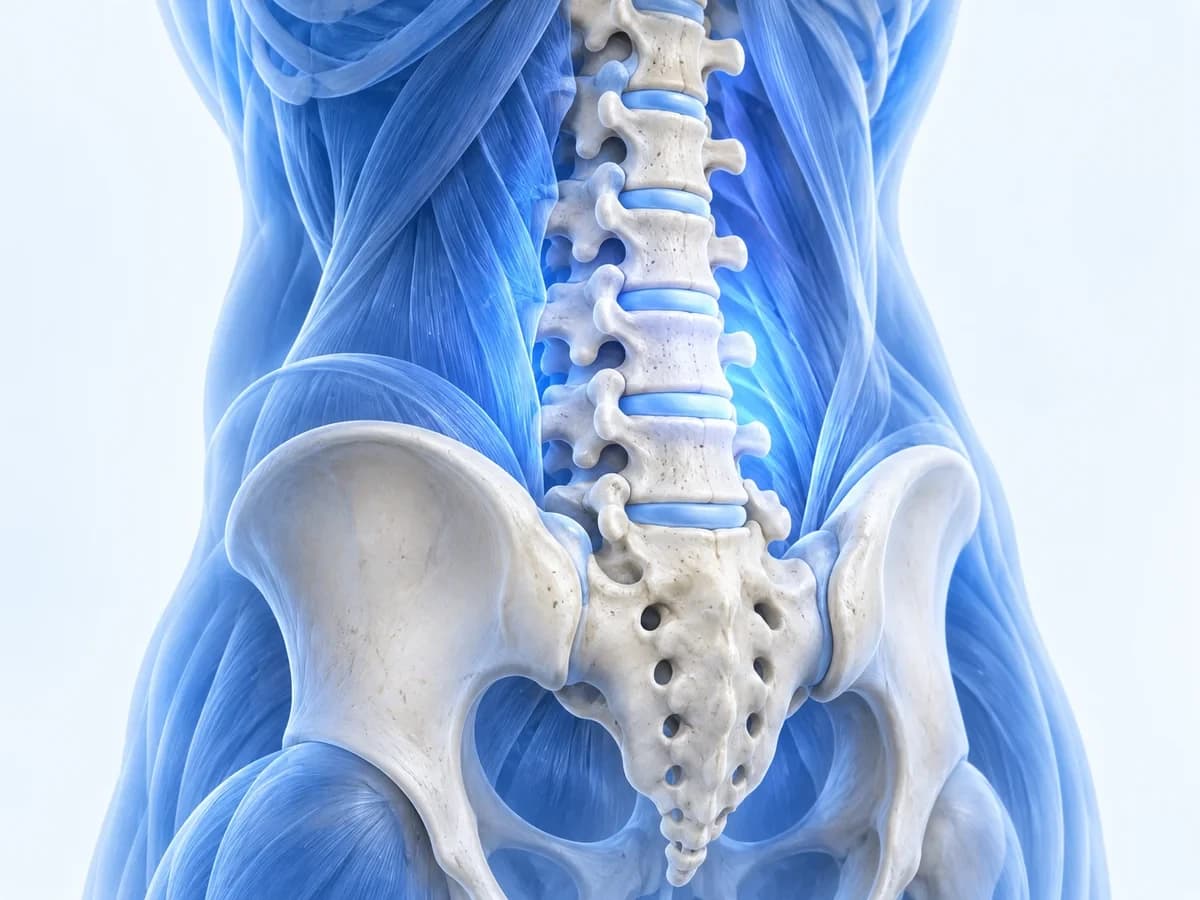
Why does back pain happen?
A muscle strain is one possible cause; sometimes disc or nerve-related problems are involved, and sometimes no single cause is clear. Back pain alone does not establish a diagnosis. At City Physiotherapy, the assessment considers where symptoms travel and how daily activities are affected.
How we approach your care
Discuss your symptoms, medical history, relevant reports and difficulties with sitting, walking or household activities.
Build an individual plan using appropriate therapeutic exercise, manual therapy and functional rehabilitation.
Review progress and adapt the plan; provide home exercise and self-management guidance when appropriate.
Sessions, progress and realistic expectations
There is no fixed course for every back problem. Your plan depends on assessment findings and your response, with goals such as sitting more comfortably or walking with less difficulty. Reduced pain and restored activity are goals, not a promised permanent cure.
Typical physiotherapy appointments last around 60 minutes, depending on individual needs. Ask about the proposed treatment time and review schedule for this service. Your total course is decided after assessment.
More about recovery and follow-upWhen to seek medical help
Back pain with new bladder or bowel changes, numbness around the genitals or anus, or weakness or numbness in both legs needs emergency assessment. Seek urgent medical advice for rapidly worsening pain, fever or feeling unwell. Do not wait for a routine clinic appointment.
This is general information, not an individual diagnosis or a complete list of warning signs. Emergency symptoms need medical care, not a routine appointment.
Sources
Your questions, answered
Is every pain travelling down my leg sciatica?
Sciatica involves irritation or compression of the sciatic nerve. It commonly affects the buttock and back of one leg, sometimes reaching the foot, with pain, tingling, numbness or weakness. These symptoms still need assessment because leg pain can have other causes.
Sources
Should I stay in bed until back pain settles?
Prolonged bed rest is generally discouraged for uncomplicated back pain. Discuss suitable activity with your clinician, particularly after injury or if medical restrictions apply.
Sources
Do I need an MRI before booking?
Not routinely. NICE recommends against routine scans for low back pain or sciatica in a non-specialist setting. A specialist may consider imaging when it is likely to change treatment. New warning symptoms need medical assessment rather than waiting for a scan or routine session.
Can physiotherapy guarantee a slipped-disc cure?
No. The clinic offers assessment and rehabilitation, not a guarantee of reversing a disc finding. Your symptoms, function and any specialist advice guide care.
Can I discuss desk work and lifting?
Yes. Bring examples of the activities you find difficult. The plan can address functional goals such as sitting, household tasks and returning to daily movement.
Is massage or manipulation enough for lower back pain?
Hands-on treatment may be one part of care. NICE recommends considering manual therapy for low back pain or sciatica only within a plan that includes exercise. Ask how any hands-on technique supports your activity goals and ongoing rehabilitation.
Can physiotherapy help back pain without surgery?
Many people with back pain are managed without surgery. Suitable care may include staying active, tailored exercise and help with self-management; NICE recommends any manual therapy as part of a plan that includes exercise. City Physiotherapy assesses suitability individually. Physiotherapy cannot guarantee that surgery will be avoided when specialist treatment is necessary.
Can physiotherapy help improve posture?
Physiotherapy can help you discuss movement, work setup and discomfort during daily activities. For neck pain, avoiding long periods in one position can be useful; breaks and comfortable position changes may be more practical than holding yourself rigidly all day. The clinic does not promise a permanent posture correction from one technique.
Sources and how we use them
Sources checked 18 October 2026. General health information is checked against the linked clinical guidance and patient resources. This is an editorial source check, not an independent clinician review; the check date is not the publication date of each source.
Clinic facts come from the questionnaire supplied by Dr. Salima Rahat on 16 October 2026 and follow-up replies received on 18–19 October. External sources support general information and do not verify clinic credentials, endorse this clinic or replace personal medical advice. Where evidence is limited, we say so.