Abul Fazal Enclave · Okhla, New Delhi
Manipulative physiotherapy
Discuss hands-on joint techniques, their potential benefits, limitations and alternatives as part of assessment-led physiotherapy.
Ask about an assessmentIndividual assessment · Fees on enquiry · Hindi, English & Urdu
Sources checked 18 October 2026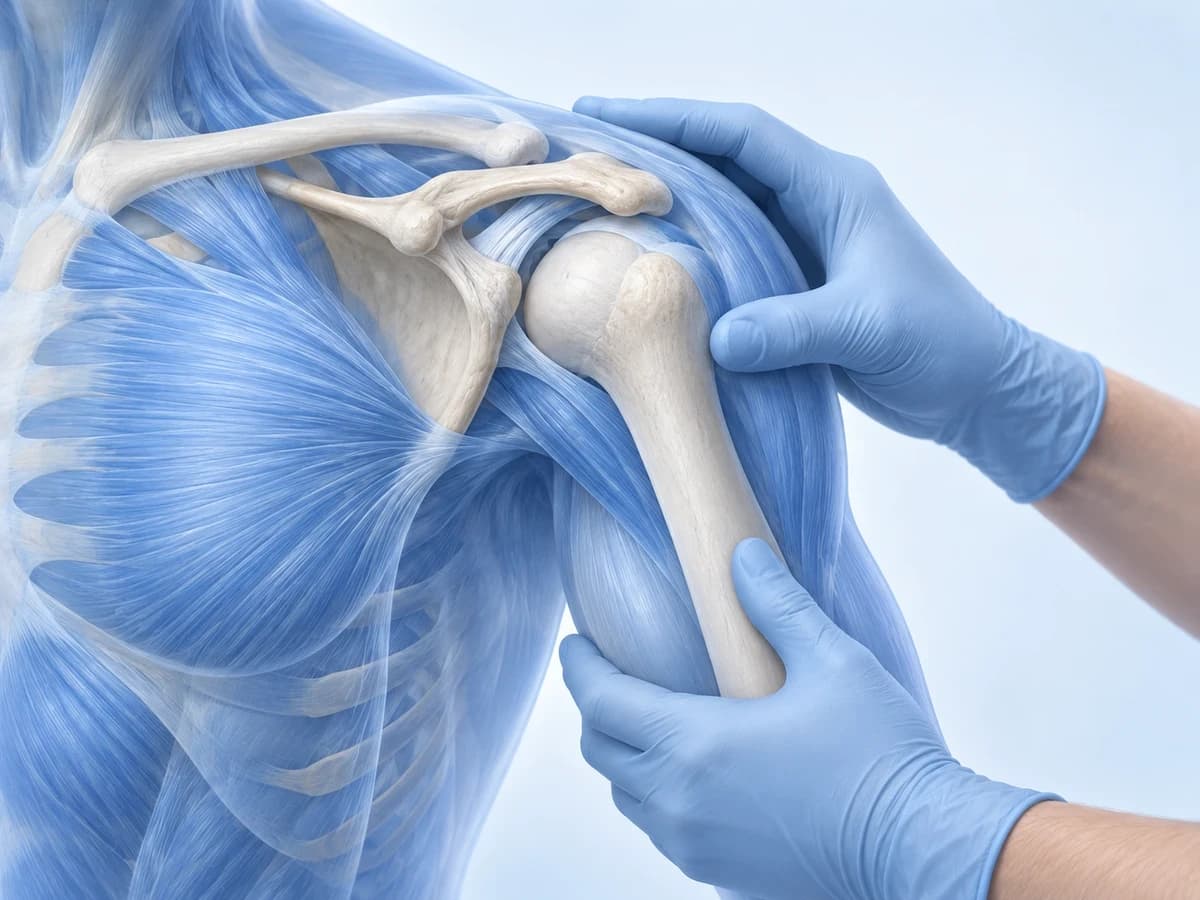
Mobilisation and manipulation: what is the difference?
Mobilisation uses movement within a joint’s range without a thrust; manipulation uses a controlled thrust. Some research reports modest benefits for certain back-pain problems. A technique is not a universal correction for every painful joint.
How we approach your care
The clinic offers manipulative physiotherapy after considering your condition and suitability.
Ask which technique is proposed, why it is appropriate and what alternatives are available.
Agree on treatment and review changes in symptoms and functional goals alongside the wider plan.
Sessions, progress and realistic expectations
Hands-on treatment may be considered with exercise and rehabilitation. A click or immediate feeling of relief does not prove that a lasting problem is corrected. Frequency and the chosen technique are individual, with no guaranteed cure.
Typical physiotherapy appointments last around 60 minutes, depending on individual needs. Ask about the proposed treatment time and review schedule for this service. Your total course is decided after assessment.
More about recovery and follow-upWhen to seek medical help
Temporary soreness or stiffness can occur. Serious neurological problems and neck-artery injury associated with stroke have been reported after spinal manipulation. These events appear very rare, but reliable frequency estimates are unavailable; whether manipulation causes artery tears remains debated. Discuss risks and alternatives before neck manipulation and disclose your health conditions and medicines.
This is general information, not an individual diagnosis or a complete list of warning signs. Emergency symptoms need medical care, not a routine appointment.
Your questions, answered
Does treatment always involve a thrust or cracking?
No. Ask which technique is being proposed. Mobilisation and manipulation differ, and you can discuss alternatives.
Can I decline neck manipulation?
Yes. Treatment should be based on an informed decision. Ask about other suitable approaches.
Is a joint click proof of a successful treatment?
A sound alone is not a measure of recovery. Review symptoms and daily function with the clinician.
Can it put every slipped disc back into place?
A guaranteed disc “reset” is not an established benefit of manipulation. Evidence describes possible symptom and function improvements for some back-pain problems. Ask how the technique fits your diagnosis and wider care plan.
Will I still need exercises?
Your assessment determines the plan. The clinic may include therapeutic exercise and functional rehabilitation when appropriate.
Is manipulation the only option for back pain?
No. NICE recommends considering manual therapy for low back pain only within a package that includes exercise. Discuss suitable options and your preferences; a thrust technique is not essential to every rehabilitation plan.
What is the difference between physiotherapy and massage?
Physiotherapy includes assessment, functional goals, exercise and progress review; hands-on treatment may be one part. Massage is a hands-on technique and does not describe the entire rehabilitation process. Ask why any technique is being used in your plan.
Sources
Sources and how we use them
Sources checked 18 October 2026. General health information is checked against the linked clinical guidance and patient resources. This is an editorial source check, not an independent clinician review; the check date is not the publication date of each source.
Clinic facts come from the questionnaire supplied by Dr. Salima Rahat on 16 October 2026 and follow-up replies received on 18–19 October. External sources support general information and do not verify clinic credentials, endorse this clinic or replace personal medical advice. Where evidence is limited, we say so.