Abul Fazal Enclave · Okhla, New Delhi
Myofascial release therapy
Information about hands-on myofascial release, possible symptom relief and how to discuss its place in an individual physiotherapy plan.
Ask about an assessmentIndividual assessment · Fees on enquiry · Hindi, English & Urdu
Sources checked 18 October 2026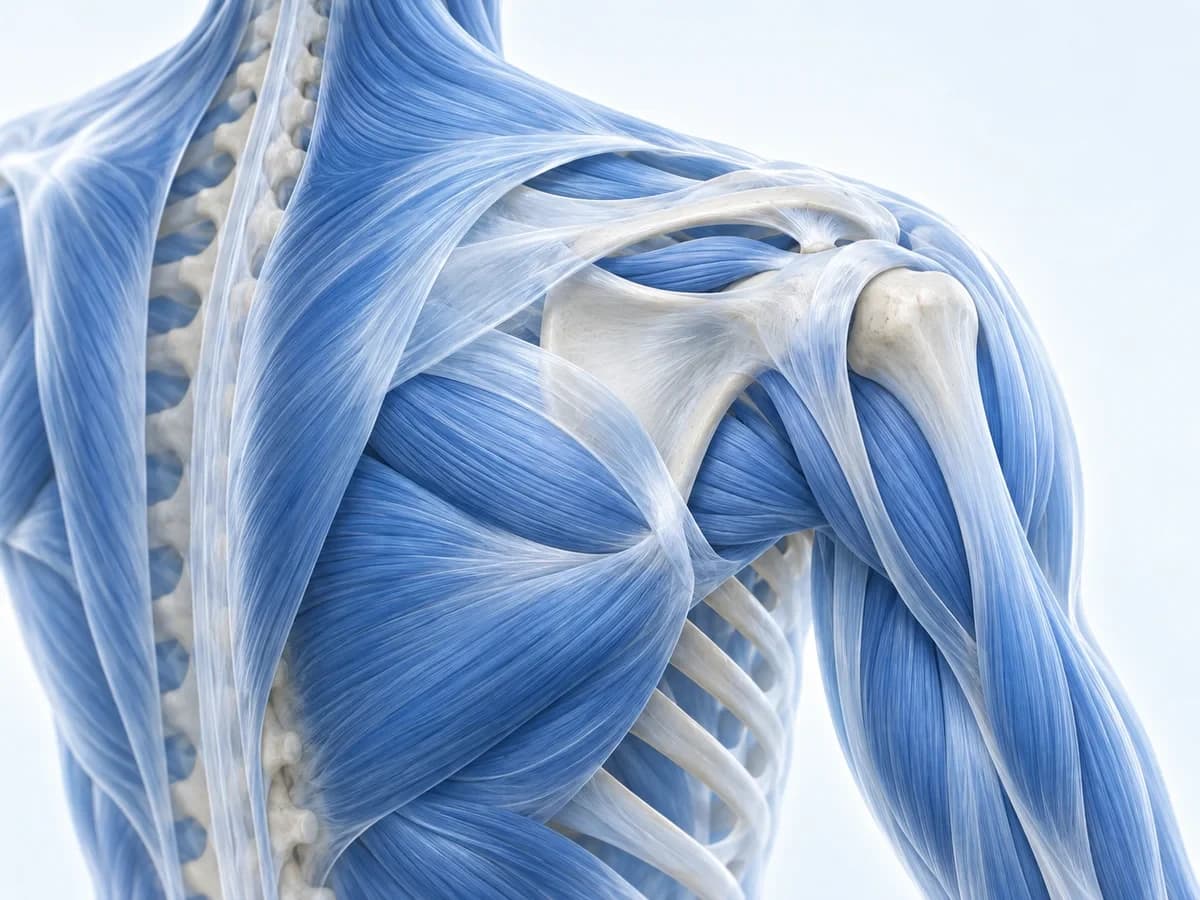
What is myofascial release?
Myofascial release uses hands-on pressure and stretching directed at muscle-related connective tissues. It may help some people with back-pain symptoms, but few studies have tested MFR specifically and techniques differ between practitioners. Feeling tight does not by itself identify the cause of pain.
How we approach your care
The clinic offers MFR. Start by explaining where symptoms occur and which activities are difficult.
Ask why hands-on treatment is being suggested and how it fits with exercise or functional rehabilitation.
Discuss comfort throughout treatment and review whether changes carry over into daily activity.
Sessions, progress and realistic expectations
The aim is an appropriate contribution to your plan, not a claim that fascia can be permanently “unlocked” in one visit. The clinician decides the method and follow-up individually. No MFR-specific duration or package is confirmed.
Typical physiotherapy appointments last around 60 minutes, depending on individual needs. Ask about the proposed treatment time and review schedule for this service. Your total course is decided after assessment.
More about recovery and follow-upWhen to seek medical help
Tell the clinician about recent injury or surgery, unexplained pain and any relevant medical restrictions. Treatment should remain within a suitable, agreed plan; new or worsening symptoms need reassessment rather than stronger pressure.
This is general information, not an individual diagnosis or a complete list of warning signs. Emergency symptoms need medical care, not a routine appointment.
Your questions, answered
Is MFR the same as an exercise programme?
No. It is a hands-on technique. Ask how it relates to your wider rehabilitation goals and whether home exercises are appropriate.
Does painful pressure mean it is working?
Do not use pain as proof of benefit. Tell the clinician about discomfort and agree on appropriate treatment.
Sources
Can MFR cure all chronic back pain?
No. Back pain has different causes, and evidence for MFR is limited. Assessment and a broader plan matter.
How often will I need it?
The clinic has not specified a standard interval. Ask what benefit is expected and when progress will be reviewed.
Can I ask for another treatment approach?
Yes. Discuss suitable alternatives and your preferences before proceeding.
Sources
How will I know whether hands-on treatment is helping?
Agree on a practical goal, such as a daily movement that is difficult, and review it alongside symptoms. Ask how hands-on treatment fits with exercise and self-management. Evidence for MFR alone in back pain remains limited.
What is the difference between physiotherapy and massage?
Physiotherapy includes assessment, functional goals, exercise and progress review; hands-on treatment may be one part. Massage is a hands-on technique and does not describe the entire rehabilitation process. Ask why any technique is being used in your plan.
Sources
Sources and how we use them
Sources checked 18 October 2026. General health information is checked against the linked clinical guidance and patient resources. This is an editorial source check, not an independent clinician review; the check date is not the publication date of each source.
Clinic facts come from the questionnaire supplied by Dr. Salima Rahat on 16 October 2026 and follow-up replies received on 18–19 October. External sources support general information and do not verify clinic credentials, endorse this clinic or replace personal medical advice. Where evidence is limited, we say so.