Abul Fazal Enclave · Okhla, New Delhi
Hijama / cupping therapy
Learn about cupping, possible pain-relief benefits, evidence limits and questions to ask before deciding whether it is appropriate for you.
Ask about an assessmentIndividual assessment · Fees on enquiry · Hindi, English & Urdu
Sources checked 18 October 2026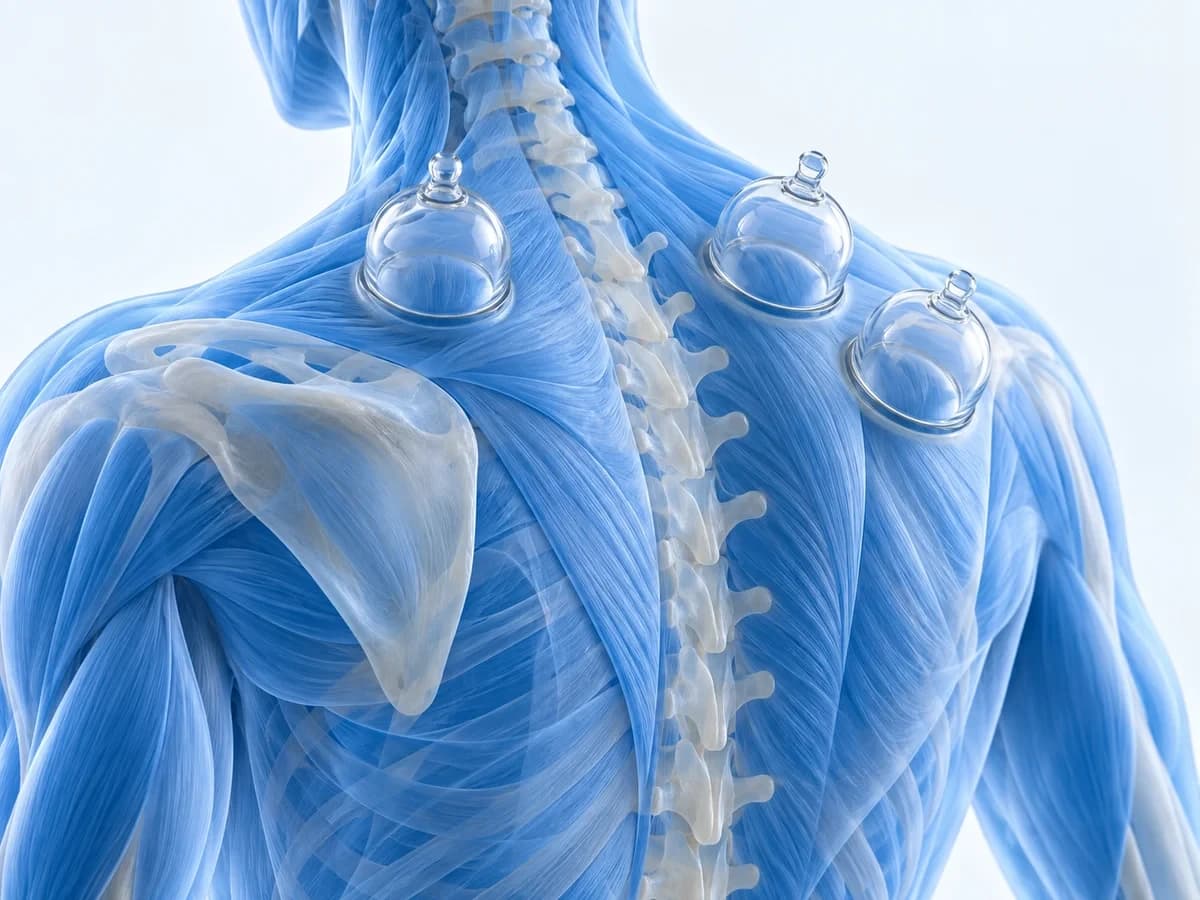
What is cupping, and what are its possible benefits?
Cupping applies suction to the skin. Dry cupping does not pierce the skin; wet cupping does. Research suggests possible pain relief, but the evidence is limited and does not establish benefits for many other conditions. It is not an established “detox” or a cure for every cause of pain.
How we approach your care
Dr. Salima Rahat (PT) provides hijama / cupping at the clinic and has reported holding a diploma in Hijama. Ask which method is proposed and why it fits your needs.
Discuss your medical history, medicines, skin concerns, expected benefit and alternatives before giving consent.
Ask how response and side effects will be reviewed before deciding on any repeat treatment.
Sessions, progress and realistic expectations
No fixed repeat interval is published by the clinic. Ask whether another session is needed at all, and how the decision accounts for your health, skin recovery and response. The typical 60-minute physiotherapy appointment is not a confirmed cupping application time.
Typical physiotherapy appointments last around 60 minutes, depending on individual needs. Ask about the proposed treatment time and review schedule for this service. Your total course is decided after assessment.
More about recovery and follow-upWhen to seek medical help
Risks include skin marks, burns, scarring and infection; repeated wet cupping may cause blood-loss anaemia. Inadequately sterilised contaminated equipment can spread infection. Ask about method-specific risks and infection control before treatment.
This is general information, not an individual diagnosis or a complete list of warning signs. Emergency symptoms need medical care, not a routine appointment.
Your questions, answered
Who provides Hijama at City Physiotherapy, and what is her qualification?
Dr. Salima Rahat (PT) provides Hijama / cupping and holds a diploma in Hijama, according to the qualification details she supplied. The qualification has not been independently verified. Discuss the proposed method, risks and suitability with her before treatment.
How often should I get cupping done?
Do not use an automatic weekly or monthly schedule from this website. The clinic has not confirmed an interval; request an individual recommendation and a clear reason for repeating treatment.
Is wet cupping the same as dry cupping?
No. The skin is pierced in wet cupping, so its risks differ. Confirm the method with the clinic before booking.
Do cupping marks prove toxins have left the body?
No. Skin marks are not evidence that toxins have been removed or that an underlying condition is cured.
Can I choose cupping instead of an assessment?
An assessment helps clarify the problem and whether this option is suitable. Do not let a requested technique replace evaluation of unexplained symptoms.
What if I take medicines or have a skin condition?
Tell the treating clinician before treatment and ask whether cupping is appropriate. Do not stop prescribed medicines to prepare for a session without medical advice.
How much does a cupping session cost?
Ask the clinic for the proposed method, appointment duration and current charge. No cupping-specific price or package is confirmed on this site.
Can cupping worsen eczema or psoriasis?
Yes, cupping may aggravate these skin conditions. Tell the practitioner about skin disease before treatment and discuss whether another approach would be more suitable.
Sources and how we use them
Sources checked 18 October 2026. General health information is checked against the linked clinical guidance and patient resources. This is an editorial source check, not an independent clinician review; the check date is not the publication date of each source.
Clinic facts come from the questionnaire supplied by Dr. Salima Rahat on 16 October 2026 and follow-up replies received on 18–19 October. External sources support general information and do not verify clinic credentials, endorse this clinic or replace personal medical advice. Where evidence is limited, we say so.